Top 5 Tips for Operating a Bucket Truck Safely in High Winds?

Time:2026-08-16 Author:Charlotte
0%

Operating a bucket truck safely in high winds is crucial for protecting both the operator and the equipment. When strong gusts blow, even the sturdiest vehicles can become unstable. Understanding how to operate a bucket truck safely in high winds can prevent accidents and ensure efficiency.

Experience plays a key role in safe operation. Newly trained operators may find it challenging to gauge wind strength. They need to learn how to read the environment. Professionals recommend checking the local weather forecast before starting any job. Wind speeds can vary significantly, making pre-operation assessments vital.

It’s important to remember that safety should never be compromised for time. Rushing decisions can lead to dangerous situations. Operators may hesitate to call off jobs due to inconvenience, but it’s essential to prioritize safety above all. In moments of uncertainty, it’s wise to step back and reassess the conditions. Accepting that high winds can impede work is part of being a responsible operator.
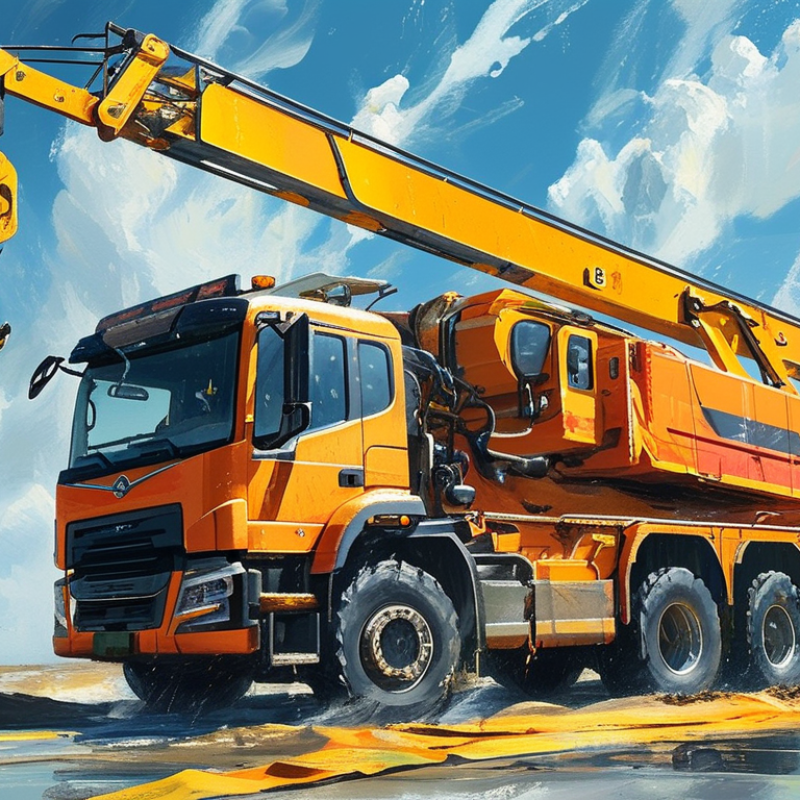
Top 5 Tips for Operating a Bucket Truck Safely in High Winds?

Understanding Wind Conditions and Weather Forecasts

When operating a bucket truck in high winds, understanding wind conditions is crucial. Wind speeds can vary dramatically, impacting the stability of the truck. Before heading out, consult reliable weather forecasts. Checking local wind reports will help assess if it’s safe to operate. Even modest gusts can pose risks.

Tip: Always monitor your surroundings for sudden gusts. Trees, buildings, and other structures can create unpredictable wind patterns. Situational awareness is vital. If conditions seem unfavorable, it’s wise to wait until things calm down.

Wind can shift quickly. How does this affect your operation? Take extra caution when extending the bucket. Strong gusts can sway the truck. Be mindful of your position and communicate effectively with your team. If you feel uncertain, it’s important to pause and reassess. Safety should always remain the top priority.

Top 5 Tips for Operating a Bucket Truck Safely in High Winds

Tip Description Wind Speed (mph) Recommended Action
1. Monitor Weather Conditions Regularly check weather updates to stay informed about wind speeds and conditions. Under 20 Safe to operate.
2. Assess Site Conditions Evaluate the worksite for any obstructions that might cause wind gusts. 20-30 Limit operations and assess risk.
3. Adopt Safety Precautions Use safety harnesses and ensure all personnel are trained in high wind operation protocols. 30-40 Consider halting operations.
4. Limit Boom Extension Keep the boom retracted as much as possible to reduce wind resistance. Above 40 Do not operate.
5. Communicate Clearly Ensure that all team members are aware of the wind conditions and the plan of action. All Wind Speeds Maintain open communication and establish a safety protocol.

Conducting Pre-Operation Safety Checks for High Winds

Operating a bucket truck in high winds requires diligent preparation. Before starting any job, conduct thorough pre-operation safety checks. This step is crucial. Begin by assessing the weather conditions.
Check wind speed and direction. If winds exceed recommended limits, consider postponing the operation.

Inspect the bucket truck for any damages. Look for loose components, and verify that all safety features are functioning. Ensure that the outriggers are properly extended and the stabilizers are secure. It's also essential to check the load capacity. Overloading can make the truck unstable, especially in windy conditions.

Consider the terrain where you will be working. Uneven ground can increase the risk of tipping. Reflect on past experiences where equipment failed due to overlooked checks. Each detail matters.
Remind your team to communicate openly about conditions and concerns. Good preparation helps ensure everyone's safety while using a bucket truck in challenging weather.

Implementing Proper Bucket Truck Positioning Techniques

Operating a bucket truck in high winds requires careful positioning. Proper placement greatly reduces risks during high gusts. Always position the truck on flat, stable ground. This helps maintain a lower center of gravity and prevents tipping.

Consider wind direction when positioning the bucket. Avoid positioning the boom into the wind. Instead, face the truck towards the direction from which the wind comes. This technique keeps the wind from pushing against the bucket, reducing sway. Keep the outriggers extended whenever possible for additional stability.

Monitor weather conditions continuously. Wind speeds can change rapidly, affecting your safety. It’s wise to communicate with your team about wind levels. Sometimes, it may be necessary to postpone tasks until conditions improve. Assess your positioning regularly and be prepared to retreat if winds become too strong. This proactive approach can prevent dangerous situations.

Establishing Communication Protocols During High Wind Operations

In high wind conditions, establishing effective communication protocols is essential for safety when operating a bucket truck. Each team member must understand their role. Clear signals, either verbal or visual, can prevent accidents and ensure everyone is on the same page. During operations, the wind can change suddenly. A straightforward signal for "stop" or "slow down" can make a significant difference in these moments.

Regular check-ins are important. They reinforce awareness of changing conditions. Operators should report wind speed and direction frequently. If the wind becomes too strong, it’s vital to communicate decisions quickly. Sometimes, the instinct is to push through challenging conditions. This is where reflection is necessary. Recognizing when to halt operations keeps everyone safe.

Additionally, having a designated communicator can streamline the flow of information. This role can help reduce confusion. It might be simpler to relay messages and updates quickly. Encourage all team members to speak up if they feel unsafe. An open line of communication fosters a culture of safety and responsibility during high wind operations.

Training and Preparing Workers for Safe Bucket Truck Use

Operating a bucket truck in high winds presents unique challenges. Workers must be thoroughly trained to handle these situations effectively. According to the Occupational Safety and Health Administration (OSHA), accidents related to high winds contribute to a significant percentage of workplace injuries. This makes preparation essential for both safety and efficiency.

Training should include understanding wind speed limits for bucket truck operation. For example, a wind speed of 20 mph can be hazardous, while 30 mph can be dangerous for most operations. Workers must be familiar with the specific limitations set by manufacturers. Conducting regular safety drills can boost confidence and readiness.

Tip: Always check weather forecasts before starting work. Even light gusts can affect stability. Workers should also practice proper maneuvers to lower the risk of tipping. Ensuring clear communication among team members is crucial when working under stress. Another tip is observing your surroundings. Look for nearby structures that could create sudden wind shifts.

Incorporating real-life scenarios into training helps workers recognize potential hazards. This approach allows them to reflect on past lessons and make better decisions in high-wind circumstances. Frequent evaluations can ensure that safety measures are well understood.

FAQS

: What should I do before operating a bucket truck in high winds?

: Conduct thorough pre-operation safety checks. Assess weather conditions and check wind speed carefully.

How can I ensure the truck is safe to operate?

Inspect the bucket truck for damages. Look for loose parts and verify that all safety features work properly.

What are the risks of overloading a bucket truck?

Overloading can make the truck unstable, especially in windy conditions. Always check load capacity before operating.

Why is terrain assessment important?

Uneven ground increases the risk of tipping. Assess where you will be working for safety.

How can training help workers handle high winds?

Training should cover wind speed limits and proper maneuvers. Workers gain confidence and readiness through practice.

What should be considered about wind speed?

A wind speed of 20 mph can be hazardous. At 30 mph, most operations may become dangerous.

How important is communication during high-wind operations?

Clear communication is crucial. It helps the team address concerns and stay safe under stress.

How can training include practical experience?

Incorporate real-life scenarios into drills. This helps workers recognize hazards and reflect on previous lessons.

When is it best to postpone bucket truck operations?

If winds exceed recommended limits or forecast conditions look unfavorable, consider delaying the operation.

What should I remind my team before starting work?

Encourage open communication about conditions and concerns. Good preparation is key to safety during operations.

Conclusion

Operating a bucket truck safely in high winds requires a comprehensive understanding of wind conditions and thorough weather forecasting. Before starting operations, conducting pre-operation safety checks is crucial to ensure that the equipment is secure and ready for challenging conditions. Proper positioning of the bucket truck is essential to minimize the risks associated with wind. Additionally, establishing clear communication protocols during high wind operations can help coordinate efforts and enhance safety. Training and preparing workers for safe bucket truck use in adverse weather conditions is also vital, enabling teams to respond effectively and make informed decisions. By focusing on these key aspects, operators can significantly improve safety when learning how to operate a bucket truck safely in high winds.

Charlotte

Charlotte

Charlotte is a seasoned marketing professional with a deep understanding of the company's portfolio and a passion for elevating its presence in the market. With a keen eye for detail and a commitment to excellence, she ensures that our professional blog is regularly updated with insightful articles......